This guide is intended to provide orientation and inspiration. You do not have to stick to it completely, nor do you have to ask all the questions you find here. Let your curiosity guide you. Further down you will find General questions and ideas for each topic block, how you can evoke concrete memories.
A few general tips for conducting a conversation:
Ask open questions
These questions can't be answered with a simple “yes” or “no.” For example, What did the children's room look like? How did you feel?
Personal experience counts
Many people think they have nothing to tell. Make it clear that personal stories are part of collective memory.
Listen actively and ask clarifying questions
Don't be afraid of pauses and don't constantly think about the next question – real conversations happen in the exchange.
Convey security
Sentences don't need to sound perfect, there are no wrong answers. Pauses and cuts are possible at any time.
Childhood & School Years
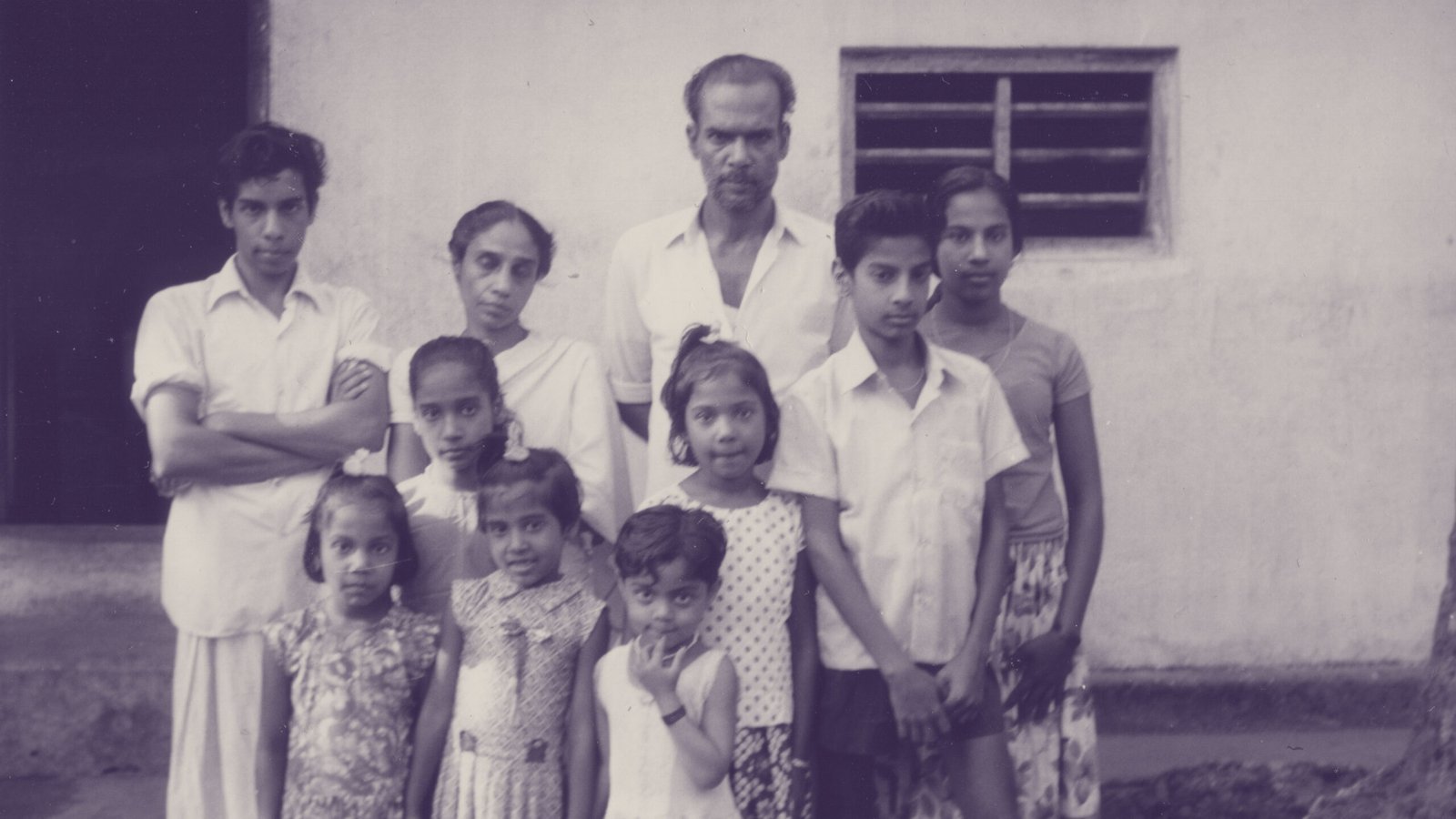
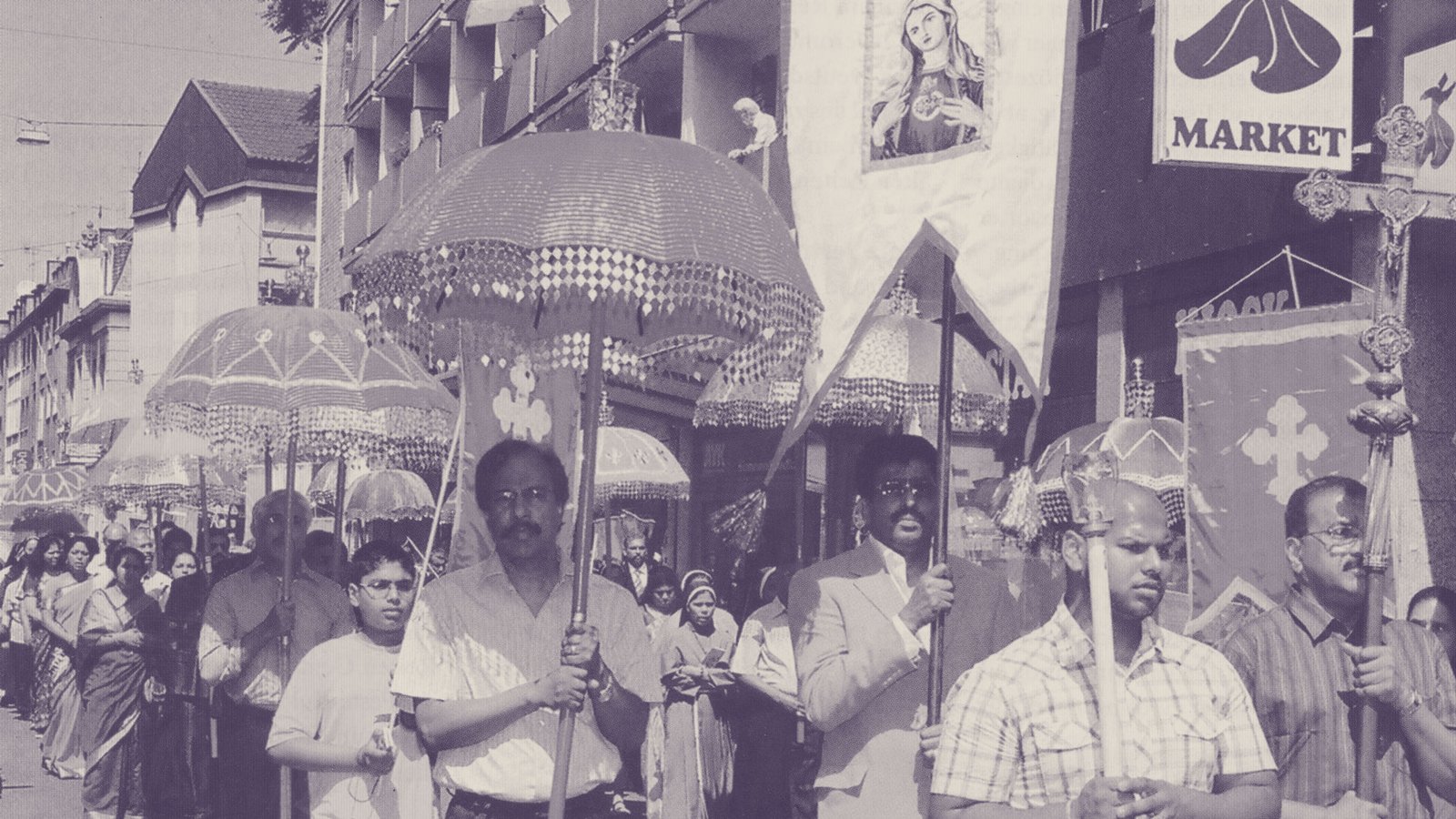
Family in Kerala, 1960
- Where did you grow up?
- What was your childhood and youth like?
- Tell me about your family
- Or alternatively: What did you enjoy doing in your childhood?
- What did you most like to play with your siblings?
- Can you remember your first swimming experience ?
- How did you get to school?
- What was your favourite subject and why?
- What were your career aspirations?
- Were your teachers very strict?
- What did you like to eat? What didn't you like at all?
Migration

- Where did the idea to imigrate come from?
- Who helped you prepare ?
- Who organised your departure?
- What did you imagine Germany to be like?
- Where did you arrive / land in Germany? What was your first destination in Germany ?
- How were the first few days?
- What had to be done before departure?
- Who organised your visa, your job, your travel?
- Who bid you farewell in India?
- What did you pack in your suitcase?
- Tell me about your first flight or experiences on the journey.
- What was your first German meal and how did it taste?
- What were your first impressions upon arrival? What do you remember?
- How did you feel?
Working in nursing
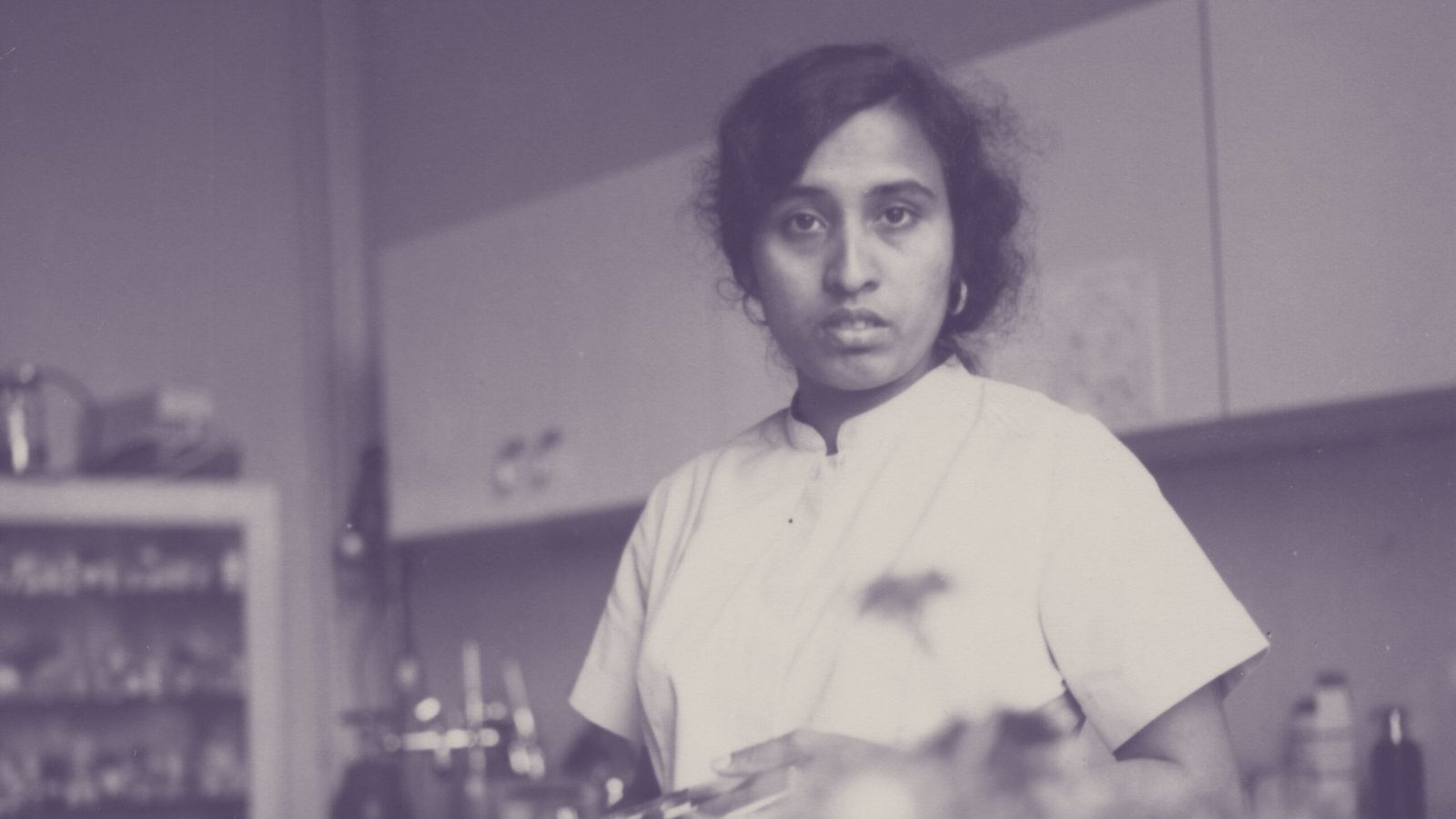
- What facility did you end up in?
- What did you do there?
- How did you learn German?
- How did your career path progress?
- What was your impression of the health and care system?
- How do you look at it today?
- What were the first German words you learned?
- What did you particularly enjoy about the work?
- Not at all?
- Where did you have lunch? What did you cook?
- What did a typical working day look like – how has that changed over time?
- How has the profession/nursing changed over time?
Leisure
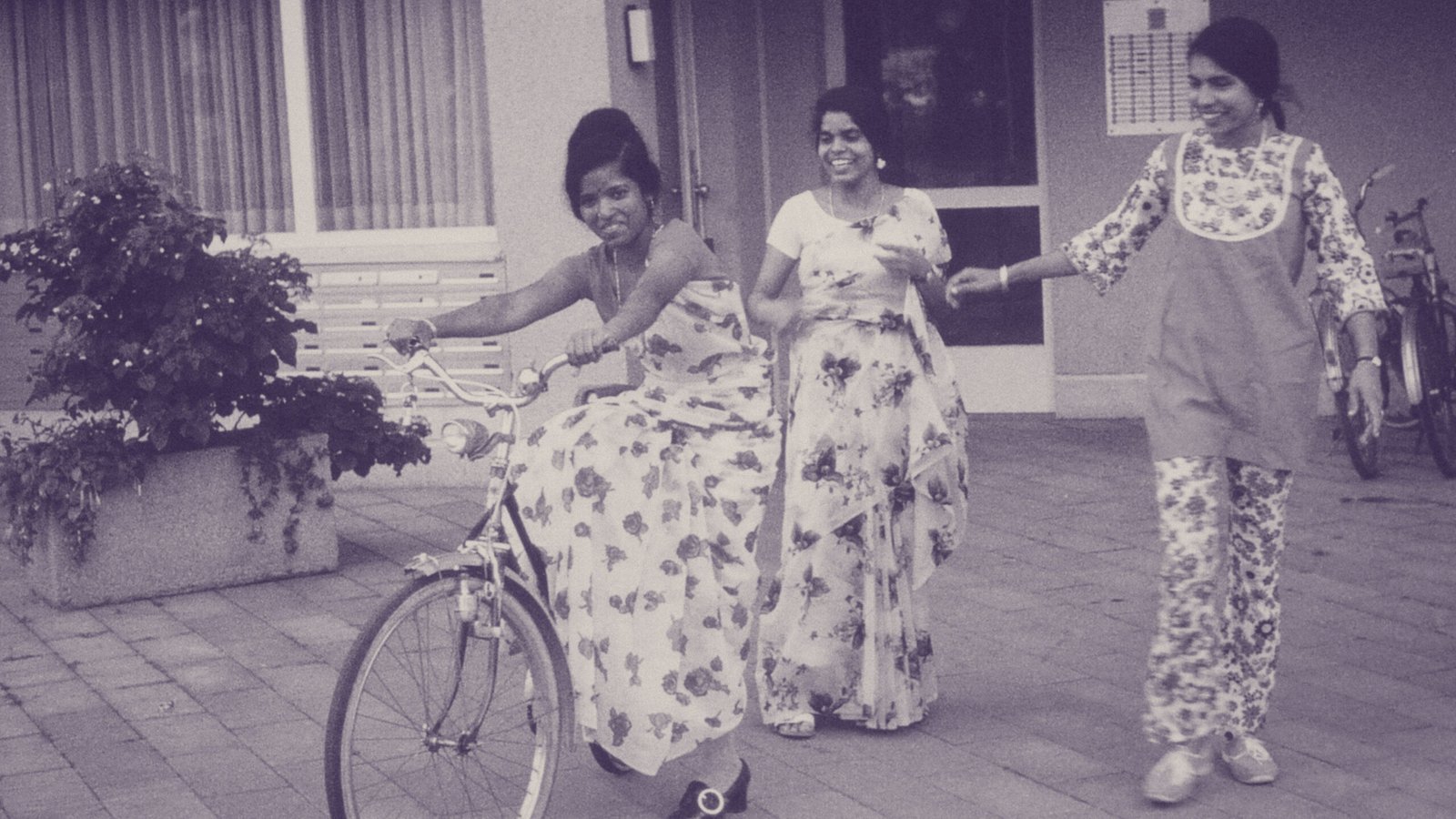
- how did you live (in a hostel or in an appartment) ?
- What did you do in your spare time?
- How did you keep in touch with India?
- What was your contact with Germans like in your environment?
- What did you do with your first wages, what did that mean to you?
- What did you do on your days off?
- Have you been out, travelling?
- Were you ever able to sleep in?
- What were you missing?
Family life
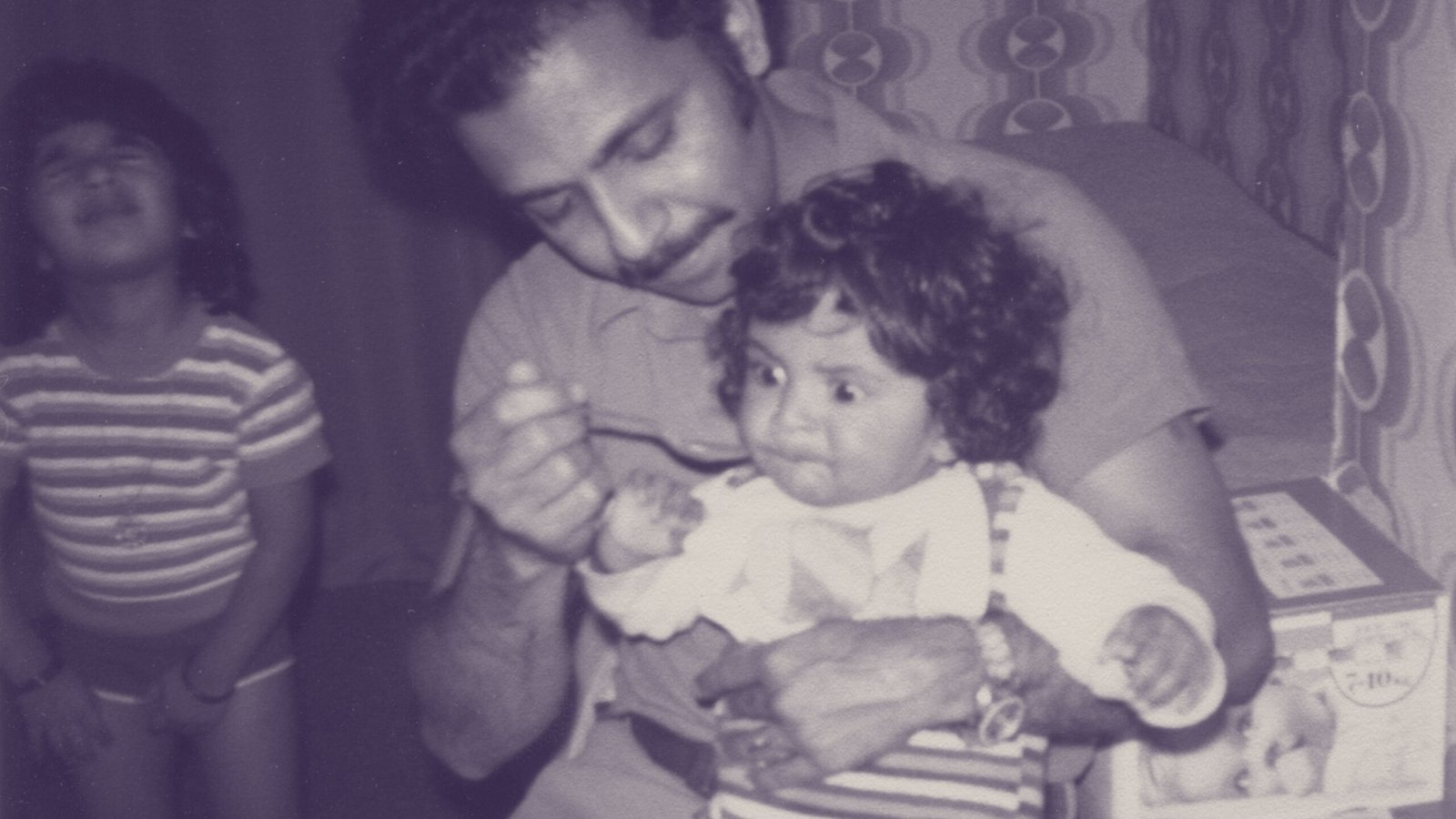
- How did you meet your husband?
- How and where did you get married?
- What was it like for you becoming a mother?
- How did you organise family life?
- What role did your profession play in that?
- Did you take time off before or after the wedding?
- How long did you take off work after the birth of your child/children?
- What do you remember first when you think about when the children were small?
- Were there difficult times? What were they?
Relationship with India
- How long did you originally intend to stay abroad?
- Have you tried going back to India?
- Why did you (not) stay?
- Have you taken on German citizenship? Why (or why not)?
- What role has religion and faith played in your life, and how is it now in old age?
- Was ist dein liebstes deutsches Essen?
- Do you enjoy travelling to India, or would you like to move there again?
- What do you like particularly about Germany? What about India?
- What annoys or bothers you in Germany? What about in India?
- Where is home for you?
Present & Future
- What are you looking forward to?
- What are you particularly proud of?
- What do you wish for?
- Do you miss anything about your job? What?
- What would you like to impart to young nurses from India today?
- What are you enjoying most in your everyday life right now?
- Do you miss anything about your job? What?
- How has this changed?
- How do you envision your own care?
Please also ask the following questions – either in between or at the end:
- Name
- Year of birth
- Place of origin
- Year of Migration
Dealing with sensitive topics
Conversations about one's life story can bring back painful memories. In the parent-child context, these emotions can be particularly impactful. To help you prepare for this or to deal with it afterwards, psychotherapist Dolwin Canitz offers non-binding and free advice – by phone or video call, before or after the conversation. Feel free to contact An Dolwen directly or email us at support@who-cared.com.
- Describe factually, What you observe: „I see you're about to cry.“
- Observe and share what you feel: „It touches me to see you like this.“ Try to bear this unsettling moment and what you're feeling, without wanting to „resolve“ it immediately.
- Reflect together the feelings: „What would tears say if they could speak?“
- Give Appreciative feedbackIt's understandable that it evokes so much emotion.„
- Reflect and acknowledge your conversation partner’s feelings: “That must have been very stressful.”
- Hold space„Would you like to take a moment to catch your breath and have a break, or shall we continue talking?“, „You decide how much you're comfortable sharing right now.“
- Summarise gently: „You have experienced a lot of pain, and we'll talk about it step by step – entirely at your own pace.“
Some situations require acute or long-term help. You'll find both among the following points:
- Telephone counselling: free and around the clock: 0800 111 0 111 or 0800 111 0 222
- Childline: 116 111
- 116 117: Arranging appointments for psychotherapy, for both a psychotherapy consultation and subsequent therapy
- Emergency call 112 – in acute danger
Questions Guide as PDF
Download our guide to questions and print it out so you can refer to it during the conversation.
Have you thought of everything?
Whether before, after, or during the conversation: you'll have everything under control with our checklist.